Mill-Turn Machines
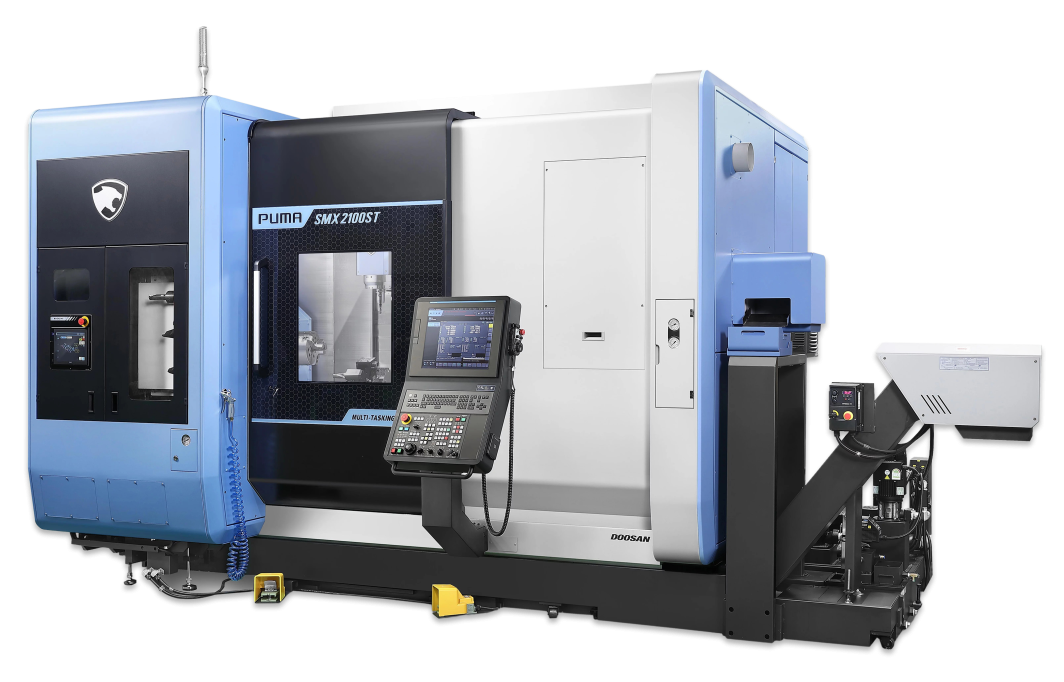
CNC mill-turn machines (also called multi-tasking machines) rely on multi-axis machining to offer high-speed manufacturing whilst increasing production accuracy. You no longer need to buy a separate milling machine and turning machine as CNC Turn-mill machines are capable of doing the work of both.
Find Your Perfect Product
Mill-Turn CNC Machines
Why Choose CNC Mill-Turn Machines?
The system can mill and turn complex parts. This reduces tooling and labour costs because only one machine is needed (you no longer have to move parts between separate milling and turning machines during the production process). By simplifying the process in this way, many benefits follow.
Benefits of CNC Mill-turn machines include increased efficiency, consistency and accuracy. Since only one machine is required, you eliminate the human error caused by moving parts between machines.
Further to this, CNC multi-tasking machines can have multiple turret tool posts with indexed tools. These are easy to set up in advance and allow the machine to run uninterrupted. This allows greater efficiency and could enable businesses to increase their capacity.
Our Products
Select the machine type or series you’d like to explore, or scroll down for a full list of products in this category, and filter by the factors that matter to you.
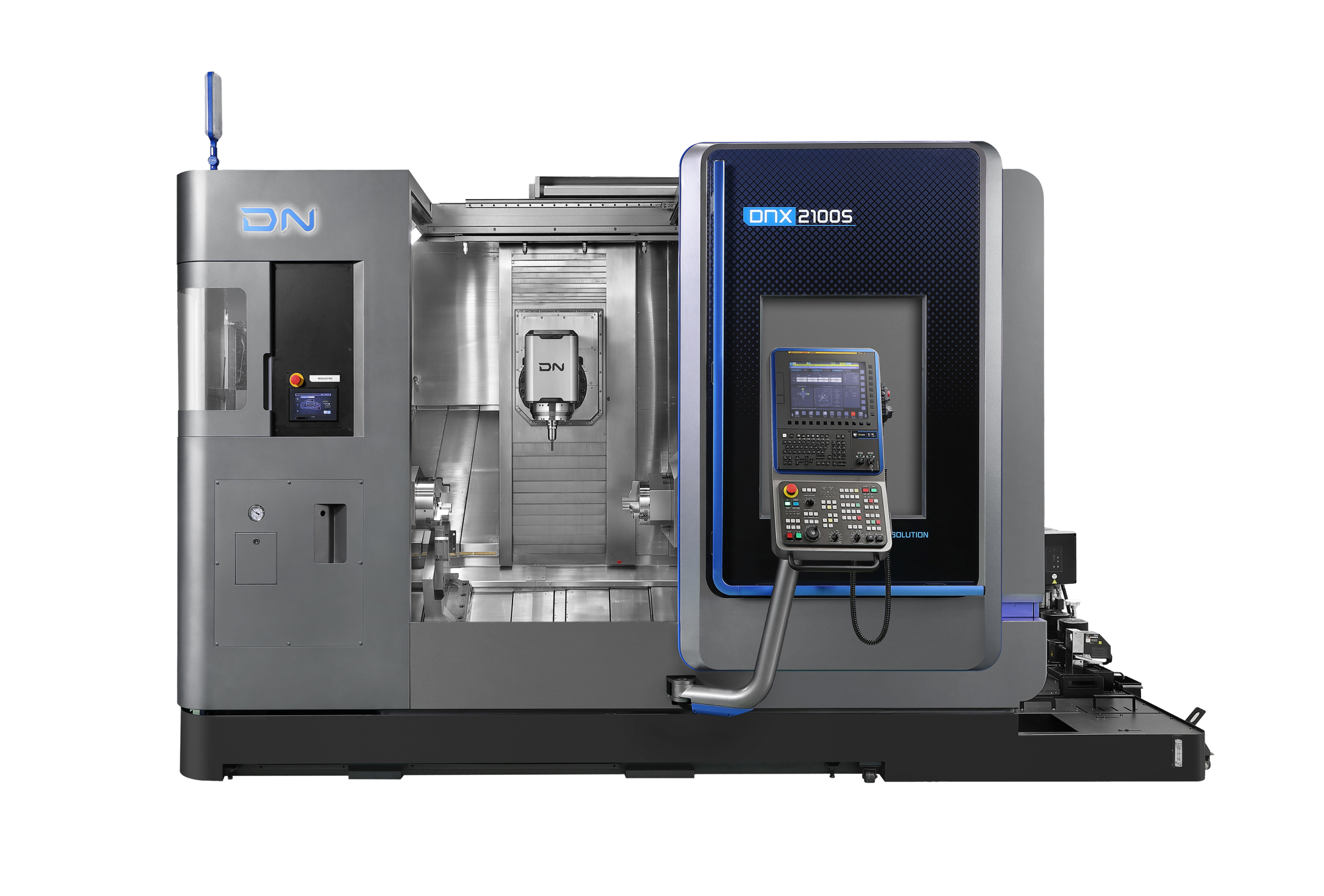
- 8” – 10” chuck size
- Single and twin-spindle models
- 12,000rpm milling spindle
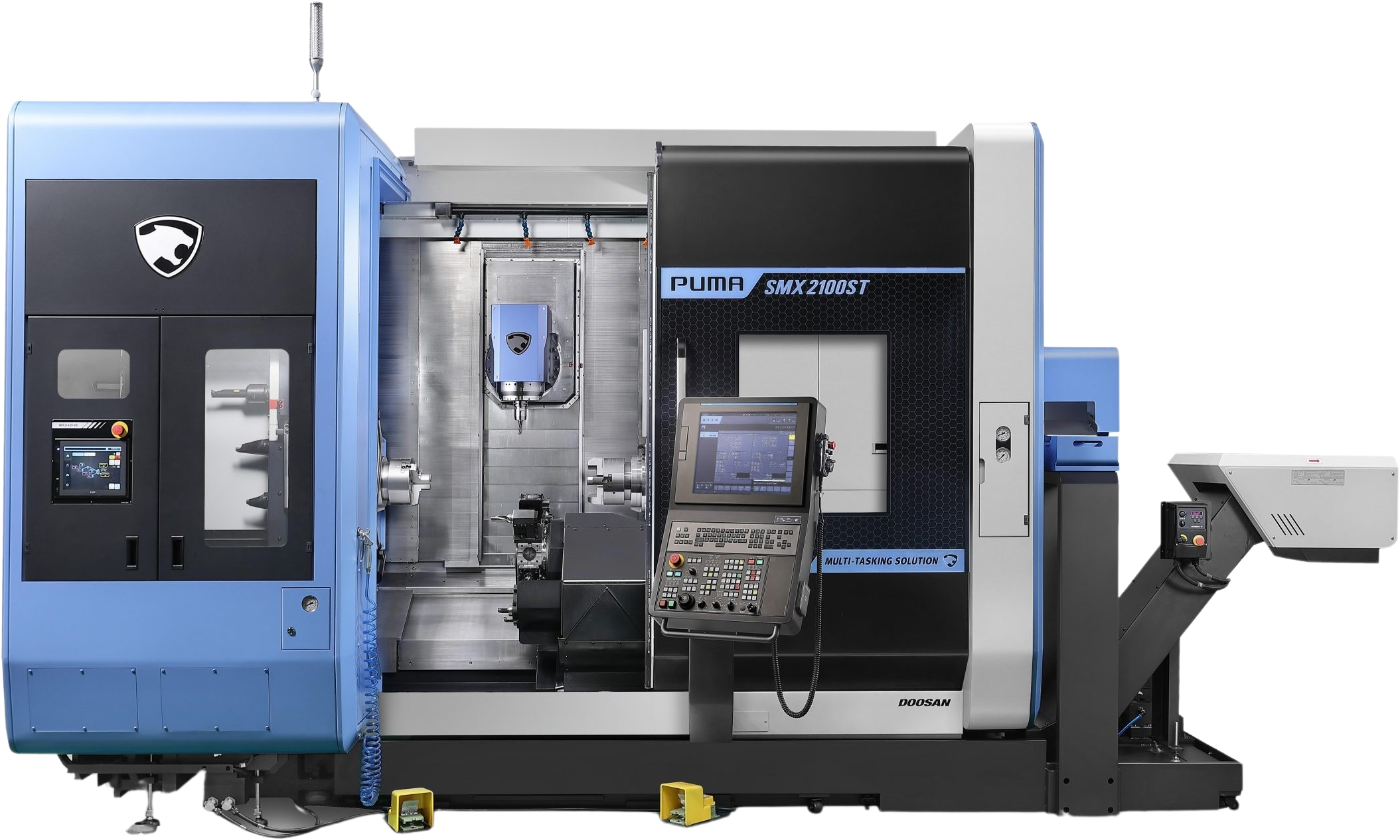
- Chuck Size - 300 - 380mm
- Max Turning Diameter - 660mm
- Max Turning Length - 2,540mm
All Mill-Turn Machines
Showing 1-12 of 22 products
Puma DNX 2100B/SB
Multifunction Mill-Turn Centres
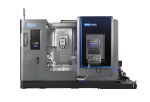
- 10” chuck
- 81mm bar diameter
- 520 mm max turning diameter
Puma DNX 2100/S
Multifunction Mill-Turn Centres
- 8” chuck
- 65mm bar diameter
- 520 mm max turning diameter
Puma SMX5100XLB
Multifunction Mill-Turn Centres
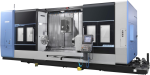
- 21” chuck
- 165.5mm bar diameter
- 830 mm max turning diameter
Puma SMX5100XL
Multifunction Mill-Turn Centres
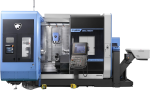
- 15” chuck
- 102mm bar diameter
- 830 mm max turning diameter
Puma SMX5100LSB
Multifunction Mill-Turn Centres
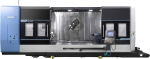
- 21” chuck
- 165.5mm bar diameter
- 830 mm max turning diameter
Puma SMX5100LS
Multifunction Mill-Turn Centres
- 15” chuck
- 102mm bar diameter
- 830 mm max turning diameter
Puma SMX5100LB
Multifunction Mill-Turn Centres
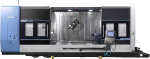
- 21” chuck
- 165.5mm bar diameter
- 830 mm max turning diameter
Puma SMX5100L
Multifunction Mill-Turn Centres
- 15” chuck
- 102mm bar diameter
- 830 mm max turning diameter
Puma SMX3100LS
Multifunction Mill-Turn Centres
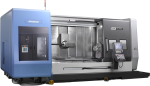
- 12” chuck
- 102mm bar diameter
- 660 mm max turning diameter
Puma SMX3100ST
Multifunction Mill-Turn Centres
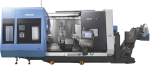
- 12” chuck
- 102mm bar diameter
- 660 mm max turning diameter
Puma SMX3100S
Multifunction Mill-Turn Centres
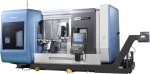
- 12” chuck
- 102mm bar diameter
- 660 mm max turning diameter
Puma SMX3100L
Multifunction Mill-Turn Centres
- 12” chuck
- 102mm bar diameter
- 660 mm max turning diameter
- 1
- 2
Showing 1-12 of 23 products
Filter
Related Case Studies
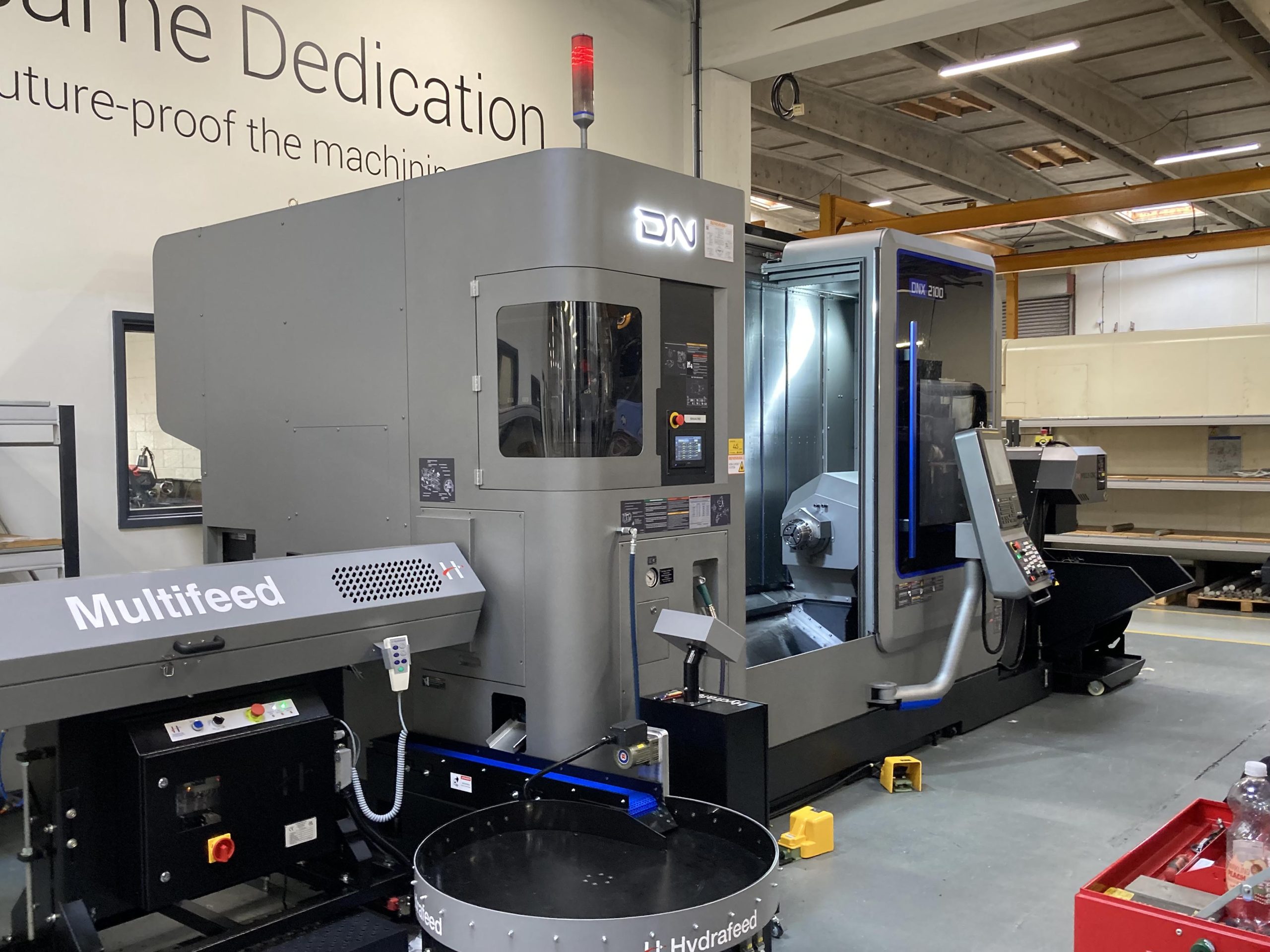
A change for the better!
DNX 2100SB multi-tasking mill-turn machine
Cogsdill-Nuneaton’s recent investment in a new DNX 2100SB is helping the company significantly strengthen its turned part processing operations.

Recognising excellence!
Award Winning Multifunction Mill-Turn Centre
DN Solutions scoop up two prestigious and coveted RED DOT Design Awards for their new, advanced DVF 5000 and DNX 2100 machine tool models.
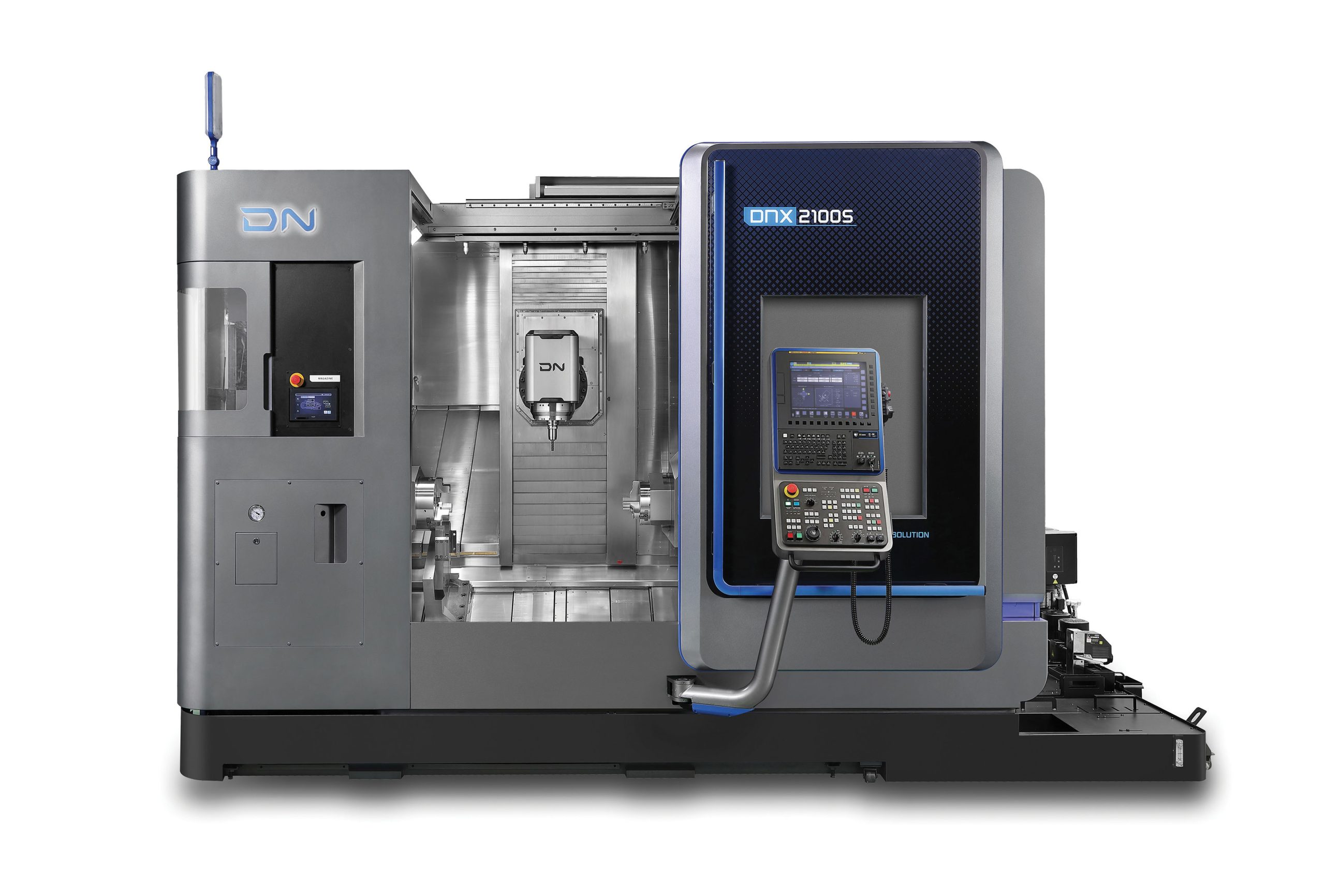
Entry-level multi-tasking mill-turn series about to make its mark
DNX multi-tasking mill-turn machine tools
DN Solutions announces the launch of their new DNX series of multi-tasking mill-turn machines, which are expected to be available in the UK and Ireland in 2025 exclusively through Mills CNC.
Frequently Asked Questions
CNC Turn-mill machines have a variety of applications. From manufacturing and automotive design to aerospace and electronics, the machine is ideal for producing small parts that normally require both milling and turning machines. The added bonus is that you can achieve these capabilities with just one system.
With an extensive collection of Mill-turn machines for sale, Mills CNC is a leading provider of this quality equipment. To learn more about the work we do, read our success stories from manufacturing customers.
If you’d like to learn more about our Mill-turn machines for sale, call Mills CNC Automation on 01926 736736 or visit our contact page.
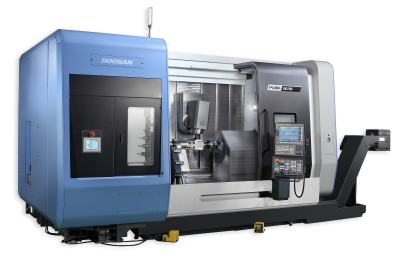
Get in touch
If you’d like to find out more about any of our machines, if you’d like a brochure or want to book a demo, then we’d love to hear from you. Whether you’re looking for a specific machine, or want to know more about our turnkey or automated solutions, Mills CNC can help.